Taiwan / TW_C4_R2
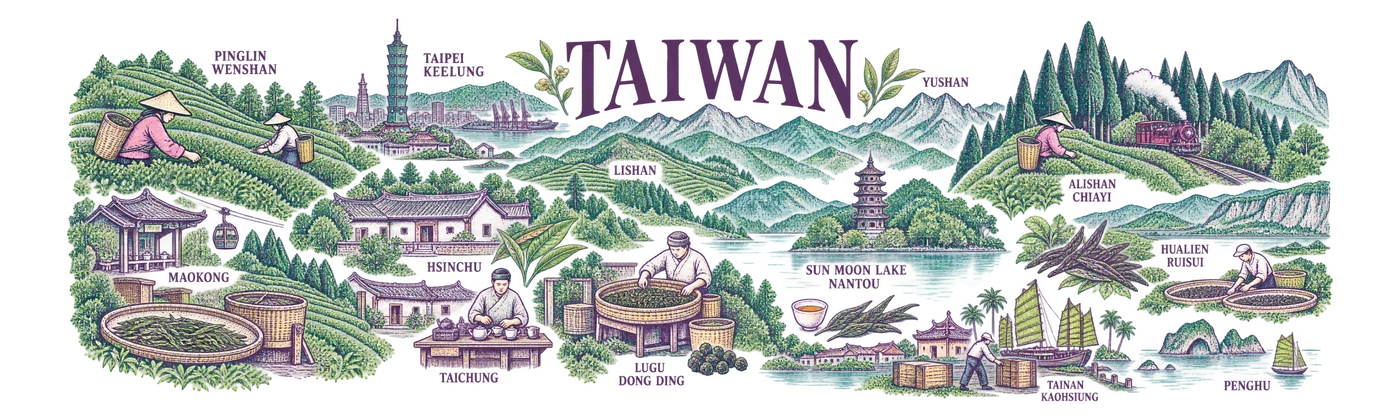
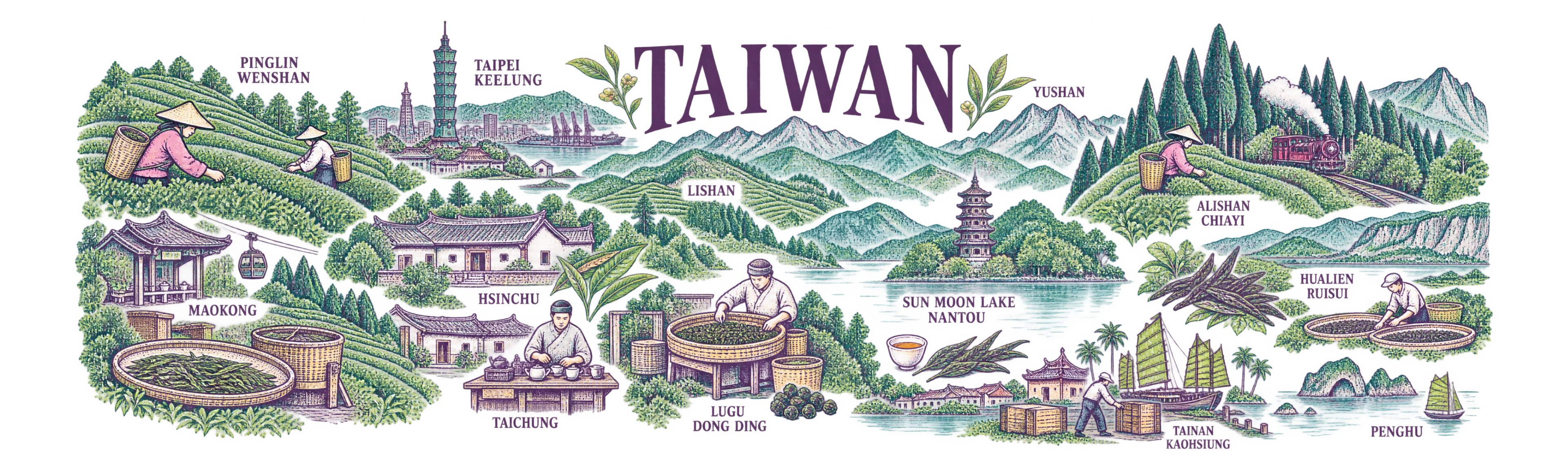
Тайвань — атлас живого чайного острова
Ручная гравюра соединяет людей в садах, горную дорогу, озеро, чайные дома, столицу и порты в одно путешествие.
Проверено для публикации · Командная художественная приёмка актуального R2-пилота
Основание проверки
Явный release-allowlist ровно 18 актуальных R2; совпадающий artwork_path обязателен.
Актуальный верхний раздел фиксирует все 18 для показа; адресные исправления TW_C1 завершены. История прежних дефектов ниже не является статусом текущей версии.
История независимой критики, отказа от разрозненных сцен, контрольных дизайнов и адресных правок.
Допущен только актуальный R2 artwork, прошедший командную художественную проверку; статус пилота сохраняется, не означает пользовательского утверждения тиража.
Палитра авторского задания
#4F325E
#2B8775
#A7AF62
Точное текстовое задание
Текст совпадает с публичным TXT. Перечень надписей и деталей описывает авторское задание; это не OCR и не обещание воспроизводимости без использованных референсов.
SHA-256: 4fe6a1233f6723d577251e584499b5d3380e3596b936858e71d9eb4a0017f19c
Прочитать полный промпт
STEP 1 — original generation

Create a collector-quality TAIWAN ceramic decal using the ONE attached Guangdong illustration as the exact DRAWING-STYLE reference. Replace its subjects and names with Taiwan. Prioritise the specified graphic language, ink palette, clear captions and real tea processes. Not oil paint, watercolor, photograph or 3D landscape.

Native PNG RGBA 3840x1280, quality max; complete marks inside x60..3780/y95..1185, almost full width, undistorted. Final export 3840x1152/250x75mm. Genuine alpha-zero exterior and natural interior openings. No paper/sky/sea rectangle, opaque white backing, fog, halo, checkerboard or mockup.

Compose one rich interconnected graphic world with a dominant event, unequal counterweights and smaller discoveries. Use meaningful ridge/roof/work-surface/branch contours, varied scale and selected overlaps. No equal icon grid, two uniform rows, independent stickers or painted scenic backdrop. Preserve two or three calm interior apertures. Required captions sit beside their subjects in dark upright English capitals, in planned contour breaks, never white boxes. TAIWAN exactly once, fully legible and integrated. No Chinese, fake writing, slogans, dates or logos. No Guangdong subjects. Different teas retain distinct leaf forms; Ruby18 belongs to Yuchi, honey scent is not added honey, bare summits are not tea farms.

STYLE C4 / GD01: AN INTIMATE AUTHOR-DRAWN REGIONAL ATLAS. Follow the approved reference's patient hand-drawn observation, carved roof details, human gestures and varied little narratives. One connected travel-book drawing, not painterly natural scenery and not polished 3D miniatures. EXACTLY THREE INKS: deep PLUM #4F325E, mountain JADE #2B8775, muted tea-bud yellow-green #A7AF62. Dark plum carries thin expressive structural pen lines and text. Jade and yellow-green give small deliberate flat faces of foliage, roofs, baskets and sail. No black/brown contour, photographic green, copper or periwinkle. Hatching describes particular wood, weave or rock, with quiet areas between. Do not filter a photograph into fuzzy ink.

Design two unequal human-scale hero episodes joined through the region's changing contour: a broad intimate Pinglin harvest at left, and the more upright Alishan forest-tea-and-train event at right. Between them, low town roofs, the central ridge and the round Dong Ding basket lead into the lake opening. The title is tall elegant TAIWAN, plum serif, nested among central roofs/ridges. It should feel discovered as part of a map drawing, not detached above a row of things. Clear label space is reserved while drawing each scene.

At left the workers' gestures connect over one real planted slope. The curve of that slope leads to a Maokong eave and the northern city/Keelung harbour transition. Taipei101 provides one slender vertical accent; its base belongs to city roofs and a tea table, not a generic palace. A Hsinchu courtyard and leafhopper shoot repeat the smaller roof-and-leaf rhythm farther in. The middle ridge rises toward Lishan and an unplanted Yushan summit. Low foreground Taichung tea trade and the Dong Ding maker keep human work important beneath those heights.

A pagoda on Sun Moon Lake's shore, a clear water aperture and long black-tea leaves create the central calm. The shore contour returns to land and meets Alishan's cypresses, carrying picker and miniature railway. Beyond it the eastern inland tea valley and distant Hualien cliff are different depths, so tea does not appear to grow on the ocean cliff. Southern low roofs, a plain cargo chest and moored sail are the last human episode; Penghu's tiny low islands are a final light note. Roofline, ridge, field curve and sparse shore strokes lead the eye through all this. No ornamental dotted route substitutes for composition.

REGIONAL EPISODES TO WEAVE INTO THE DRAWING. These twelve narrative moments may overlap and share contours; they are not twelve boxes. Tea is carried by people, crop forms and tools throughout the travel illustration.
1. A close PINGLIN northern harvest: two different gestures, a broad tray of long Baozhong and a carrying basket among curved tea rows.
2. TAIPEI: correctly segmented Taipei101 with one spire, lower city roofs and a street-level tea table.
3. MAOKONG: tea-house eave, charcoal-roasting basket for Tieguanyin, tiny cable-car cabin supported by a real short cable.
4. HSINCHU: Hakka courtyard roof, tea shoot with one small leafhopper, tray of long white-tipped Oriental Beauty.
5. LISHAN: sharper ridge, cultivated lower slopes, bare high summit and tightly rolled oolong on a small tasting shelf.
6. DONG DING: hands at a round bamboo roasting basket, low stand and plain workshop roof. Leaves are rolled, not long Baozhong.
7. SUN MOON LAKE: a tiered shore pagoda, two broken shore contours with transparent water between; cup and long Yuchi black-tea leaves nearby.
8. ALISHAN: tea picker, curved tea rows and cypresses; a miniature locomotive follows a short forest-edge track, not through cultivated bushes.
9. Yushan: a clear uncultivated bare summit forming part of the far mountain spine. No altitude claim or tea on its top.
10. Eastern valley/coast: distant Hualien cliff contour and inland Ruisui long black-tea leaves, plus lower Luye Red Oolong craft. Do not grow inland tea on the ocean cliff or merge different tea forms.
11. Southern harbour: modest Tainan/Kaohsiung roofline, plain cargo chest, working person and believable batten-sail junk. No invented named monument or brand logo.
12. Penghu: a few angular low islets and a tiny second sail within broken sea strokes. No solid blue ocean fill.

A small Keelung harbour cue, Taichung tea-merchant table and broad Nantou landform may enrich shared architecture; do not increase caption count for each discovery. This is an unfolded north-to-south travel illustration, not a surveyed island map. Multiple periods and scales may meet through a visual rhyme, never a claim they stand on one actual street.

PRINTED CAPTIONS, in upright plum capitals approximately38–44 pixels high: PINGLIN / WENSHAN; TAIPEI / KEELUNG; MAOKONG; HSINCHU; LISHAN; TAICHUNG; LUGU / DONG DING; SUN MOON LAKE / NANTOU; YUSHAN; ALISHAN / CHIAYI; HUALIEN / RUISUI; TAINAN / KAOHSIUNG; PENGHU. Two lines for paired names; no extra tiny prose. Multiple captions may belong to the same interwoven larger episode. Do not remove them and replace the atlas with generic hills.

The interest is in specific little acts and finely observed materials within a whole landscape. Tea receives about half of narrative attention, with architecture, geology and transport carrying the rest. It must still look like the attached GD01 hand-drawn family in three inks. Mountains and water are open graphic contours; there is no fully painted scenic backdrop. True alpha lies around the living silhouette and within all unprinted apertures.