Shanghai / SH_C6_R2
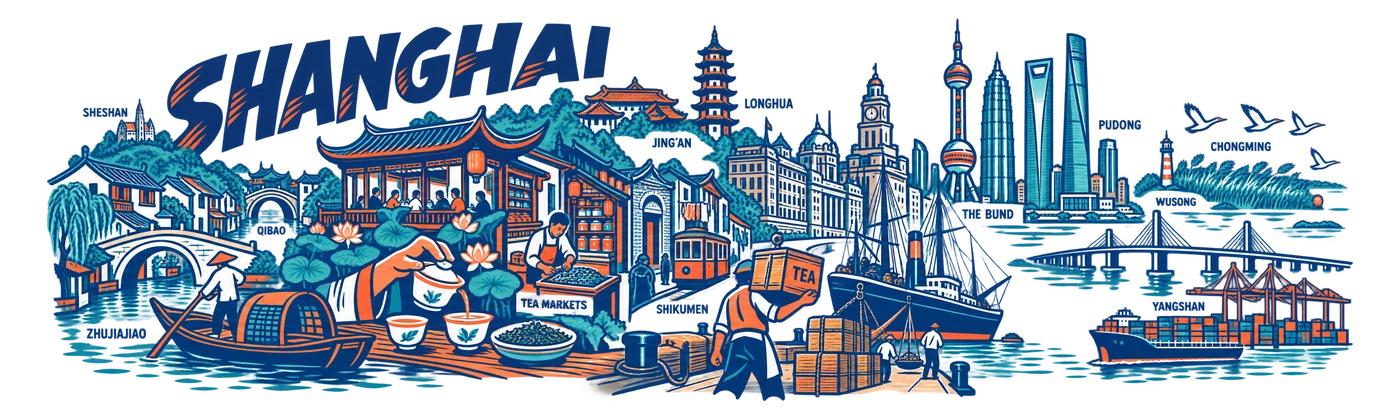
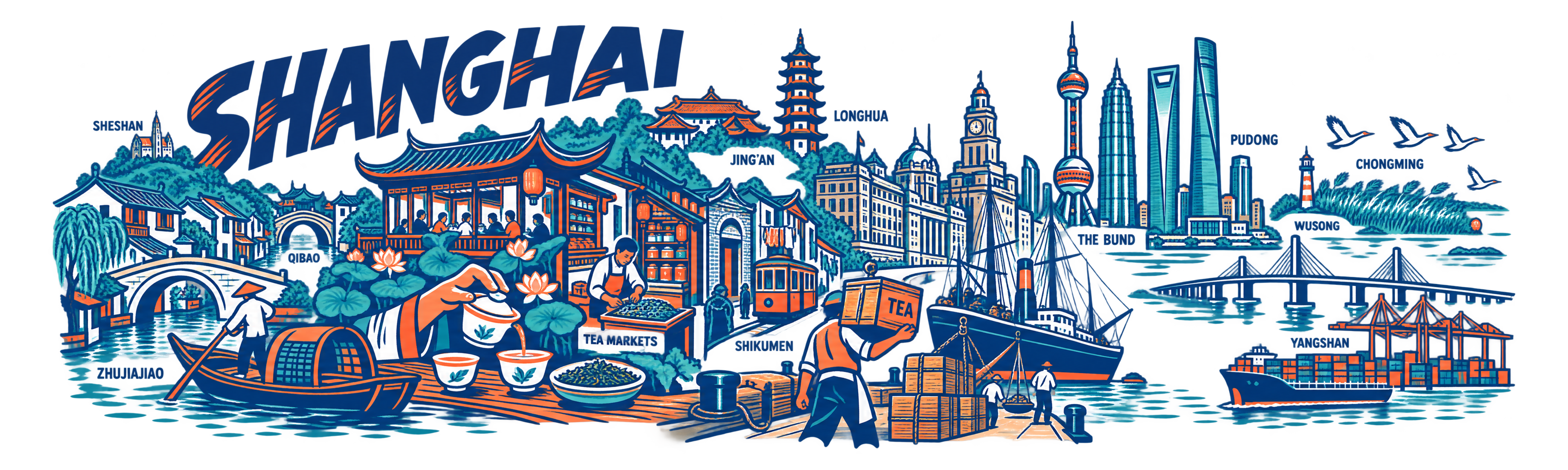
Shanghai — движение от чайной чашки к морю
Энергичная общая траектория: лодка, чайный жест и грузовой док переходят в городской силуэт и современный порт; крупные диагонали вместо ряда миниатюр.
Проверено для публикации · Командная художественная приёмка актуального R2-пилота
Основание проверки
Явный release-allowlist ровно 18 актуальных R2; совпадающий artwork_path обязателен.
Актуальный верхний раздел фиксирует все 18 для показа; адресные исправления TW_C1 завершены. История прежних дефектов ниже не является статусом текущей версии.
История независимой критики, отказа от разрозненных сцен, контрольных дизайнов и адресных правок.
Допущен только актуальный R2 artwork, прошедший командную художественную проверку; статус пилота сохраняется, не означает пользовательского утверждения тиража.
Палитра авторского задания
#203B73
#E06D58
#489A9A
Точное текстовое задание
Текст совпадает с публичным TXT. Перечень надписей и деталей описывает авторское задание; это не OCR и не обещание воспроизводимости без использованных референсов.
SHA-256: c6b33133e0528e30e406ed5036033e4e4db7612843e922a1826188421c7efd92
Прочитать полный промпт
STEP 1 — original generation

Create an extraordinary original ceramic PRINTING DECAL of the requested region, using the attached approved GUANGDONG design as the compositional and drawing benchmark. This is a new richly connected regional illustration, not a mug mockup. The attached image is the STYLE reference; its Guangdong-specific subjects and lettering must all be replaced by researched content below. There is deliberately no regional map image in the input: the supplied text already contains the factual map inventory. Match the reference's visual richness, collector appeal, confident drawing and sense of a whole place.
THE CRITICAL LESSON: the previous trial failed because it looked like disconnected stickers in two rows. Do NOT make a contact sheet, a tidy row of icons, independent floating islands, equal-sized scenes, evenly spaced caption boxes, or a catalogue. Compose ONE engrossing panorama with three depths, dramatically varied scale and a continuous visual journey. Use a dominant local hero story, a counterweight and many integrated discoveries. Neighbouring scenes may meet, partially overlap, share a ridge, a street or an architectural contour. Smaller stories nest inside the larger world. Tea leaves, architecture, process tools, people and landscape must interact, not hover independently. The result should reward a minute of looking, not be exhausted as a list in two seconds.
TRANSPARENCY AND COMPOSITION: keep genuine alpha-zero exterior and natural interior openings. No rectangular paper/sky/sea/land background, no opaque white backing, no coloured atmospheric wash, no checkerboard. Transparency should feel like carved breathing channels WITHIN the illustration: a river gap, space under a bridge, a temple court, a clear aperture around a word. Only two or three quiet pockets across the panorama, never a blank moat around every item. Do NOT target a transparency percentage. Do not join the drawing with decorative dotted connector lines: link it through actual regional geography, streets, terrain rhythm, roof lines, branches and meaningful human action. Sparse irregular fine strokes may suggest water or roads. No solid province silhouette.
CANVAS: native RGBA PNG, 3840x1280, quality max. Draw a long shallow panorama across x=60..3780 and y=95..1185, using almost the full width. All marks and letters whole, with a modest clear safety margin. The final proportional print is3840x1152 at250x75mm. Do not create a central16:9 picture with huge blank side panels; do not solve spacing by shrinking the entire artwork. All objects remain undistorted. Most shapes should belong to a shared irregular silhouette, with selected disconnected tiny natural accents only.
CRAFT: exceptionally crisp intentional ink, precise silhouette design, beautiful local detail and confident line weight. Detailed does not mean fuzzy crosshatching everywhere. Small captions use dark high-contrast ink, correct English capitals and sufficient clear space to read at real mug scale. No tiny italic map handwriting, nonsense text, Chinese script or decorative fake writing. A clear main regional title appears once; the title is part of the composition, not a separate header with empty space beneath. Preserve the designated colour family, not the exact Guangdong colours of the reference. No borrowed commercial logos, political emblems, invented plantations, tea health promises, unverified dates or superlatives.
REGIONAL TRUTH: distinguish tea cultivation from trade, processing, drinking rituals and herbal infusions. More density must come from deeper local storytelling, not duplicated generic gardens or fabricated tea regions. In non-growing regions show how tea is transported, sold, prepared and shared. The content specification below outranks recognisable Guangdong objects in the attached style reference.

COLLECTION SIGNATURE: THE SWEEPING REGIONAL JOURNEY. Follow GD03's energetic angular ink and bold slanted lettering, reimagined for the actual region. Build a dynamic diagonal or shallow S-shaped composition across the full wrap. One strong local movement motif carries the eye: caravan tracks, a river, a mountain ridge or port traffic. Interlock near bold figures/tea craft with far landmarks, bridges or mountains; clear scale contrast and selective overlaps. Three vivid inks, confident graphic mark-making and broad directional hatching. Avoid watercolor, fuzzy map labels, isolated sticker scenes and an empty horizontal band around the title.

SHANGHAI: a shared cup is the small human event inside an immense trading city. Show tea being examined, weighed, carried, brewed and shared. Different places and periods form an intentional illustrated cultural geography, not one dated street scene. No locally grown tea claim, Sheshan tea plantation, Guangdong Dancong tree, citrus-tea shell, roundhouse or generic harvest terrace.

C6 COMPOSITION — FROM THE BREWING GESTURE TO THE OPEN SEA. Make a dynamic graphic journey across the full wrap, with a shallow S-curve that changes depth instead of a straight line of scenes. Start with the close diagonal of a wooden water-town boat and stone arch at the lower-left edge; its prow points toward a central foreground tea dock. A worker's carrying gesture and a stack of wooden tea chests become the strong near action, with the scale and open leaf sample precisely drawn. Behind them, the historical vessel's slanted rigging and slim masts carry the eye up into the Bund clock tower and then outward toward the opposite bank.
Huxinting is the major left-middle architectural story: sharp roof tips, a taut zigzag bridge, lotus stems, drinkers under the veranda and a bold gaiwan/cup gesture at the front. The angular bridge moves the eye toward the dock and echoes the serving hand. Behind the old town, the connected tea-market lane shows tall canisters, a tea scoop, porcelain shelves and a pouring vendor. Shikumen gates and a tram cutting obliquely through the street give movement to daily city life. A Jing'an roof and Longhua Pagoda provide distinct smaller vertical beats, integrated into the roofline rather than set apart.
The right side rises into the distant different tops of Pudong, then sweeps down along a compact Donghai Bridge into the Yangshan container port. The modern vessel is a smaller closing movement, clearly distinct from the historical tea ship. On the left, small Qibao and a wooded Sheshan basilica recede behind the main water-town arch. Do not invent Shanghai tea terraces or stretch one river into a literal geographic claim linking all towns.
Place bold slanted SHANGHAI in the upper-left-to-middle roof aperture, inking selected broad diagonal strokes inside its letters. Integrate its slant with boat prow, stair, cargo and roof angles. Cobalt defines decisive thick-and-thin silhouettes, coral repeats on cups, roof planes, vessel trim and clothing, teal supports plants and sparse water strokes. Crisp angular ink, never watercolour. Use brave differences in scale, overlap a few close figures/cargo with the quay, and let far buildings remain economical. A wide transparent river bend, small openings under bridges and a few roof/court gaps are sufficient breathing space; they belong inside the journey. No continuous painted sea, diagram connectors, evenly spaced postcard scenes or unused horizontal band around the title.

LOCAL CONTENT TO INTEGRATE INTO ONE SHANGHAI WORLD:
The western water-town approach combines Zhujiajiao's substantial stone arch, riverside houses, willow and wooden boat with a much smaller Qibao roof/bridge passage in deeper perspective. Sheshan is a low wooded hill with basilica, not tea terraces. Dianshan Lake is suggested by small water strokes, not a filled blue shape.
Old-town Huxinting is the recognisable two-storey waterside tea pavilion with upturned corners, zigzag bridge, lotus and tea drinkers. A close gaiwan with tilted lid, cups and a brewing hand anchors tea culture within actual city life. An adjacent roof/lantern passage hints at the Old City bazaar without becoming food advertising.
The modern metropolis includes the Bund clock tower and domed riverfront architecture, across the Huangpu from the four distinct Pudong tops: Oriental Pearl spheres, Jin Mao's steps, World Financial Center's trapezoid opening and Shanghai Tower's twist. A Shikumen stone gate, narrow residential facades, washing line and historic Shanghai tram add ordinary life at a smaller scale. Jing'an's roof profile and Longhua's tall tiered pagoda are distinct, not repeated generic towers.
Tea markets deserve real activity: canister-lined counter, open tray of twisted dry leaves, tea scoop and person serving tea; this is a composite of Tianshan/Daning specialist trade. A separate historical dock process shows a worker carrying tea chests past a balance scale toward a steam vessel or clipper, not a claim of local cultivation. One crate may say TEA.
The outer river story includes Chongming's Dongtan reeds and exactly three flying waterbirds, tiny coastline gestures for Changxing/Hengsha, and a Wusong port marker. A small Jiading pagoda and Baoshan industrial roof/chimney can sit in the remote northern built horizon. Toward the eastern finish, Donghai Bridge, Yangshan cranes and a container ship show the present port. Distinguish that modern vessel from the historical tea vessel; do not assert its present cargo.
Do not give every listed place an equal-sized picture. Bigger lived scenes contain smaller discoveries. Selective overlap, shared water/roof lines and distance integrate the inventory; no administrative shape or uniform caption row.

TYPE: main name SHANGHAI exactly once. Correct short names to place within suitable gaps near the relevant story: HUXINTING; THE BUND; PUDONG; ZHUJIAJIAO; QIBAO; SHIKUMEN; JING'AN; LONGHUA; SHESHAN; CHONGMING; WUSONG; YANGSHAN; TEA MARKETS. Small satellite objects need no separate label. English capitals in dark cobalt, about30–40px, not italic or fake microtext. A title integrated into roofs, river rhythm or foreground architecture, never an isolated header. Only TEA on one chest may be additional writing; no dates, Chinese, invented slogans or logos.

PALETTE: exactly 3 deliberate opaque inks: #203B73, #E06D58, #489A9A. Dark cobalt is the structural contour and all small type; coral is the principal warm accent. The third ink is teal; all line details and local surfaces stay in this trio. Do not preserve the Guangdong greens. No white ink, cream backing, grey shading, extra hues or digital glow; edge antialiasing only. Transparent openings are absence of ink.

DIRECTOR'S TEST: one extraordinary SHANGHAI world first, tea story second, meaningful tiny discoveries third. Vary scale dramatically and use real architecture, water edges and human movement as links. All lettering and important objects stay whole. Exterior and natural interior openings are true alpha-zero; no painted white, paper, sky or fog behind the illustration.